params: ticker: “TSE:5020” reviewed: “edit” image: “/images/analysis/eneos-inventory-accounting-vs-pivot/thumb.png”
ENEOS Holdings (5020), Japan’s largest oil marketer, reported Q1 (April-June) operating profit of ¥482.6 billion, up 859.5% year-on-year, with net profit swinging from a ¥14.5 billion loss to a ¥415.0 billion profit. Read at face value, this looks like a company whose business fundamentally re-rated in three months. It didn’t. Roughly 65% of the ¥432.3 billion profit increase traces to a single accounting line — inventory valuation gains from crude oil price swings — not anything that changed operationally.
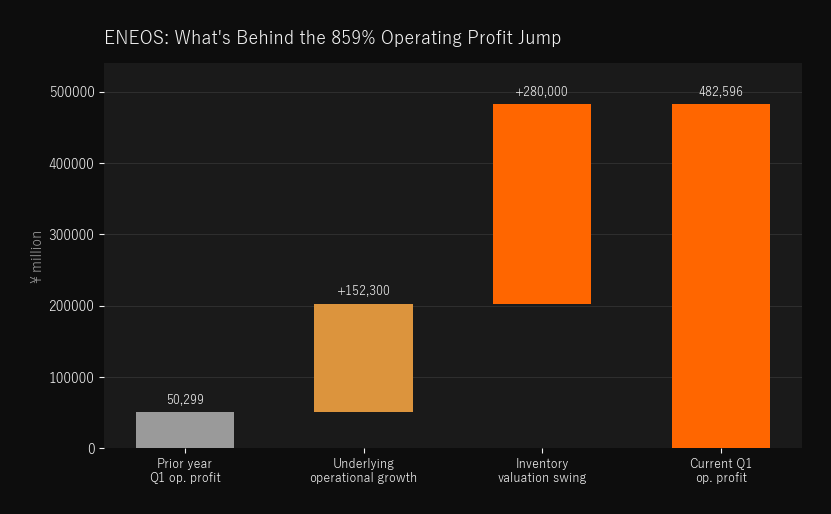 Figure 1: Bridging prior-year operating profit to this quarter’s reported figure
The mechanic behind the number
ENEOS values inventory using a weighted-average method, so when crude oil prices move sharply, the accounting value of oil already sitting in tanks and pipelines swings with it — a paper gain or loss that has nothing to do with how much fuel the company actually sold or at what margin. This quarter, Dubai crude ran from $109 a barrel at the start of the period up to $120 amid Middle East tensions, then fell back to $68 by quarter-end as talk of a US-Iran deal and Hormuz Strait normalization spread. That volatility, averaging $96 for the quarter (up $29 YoY), produced a ¥195.2 billion inventory valuation gain in the petroleum products segment this quarter, versus an ¥84.8 billion loss in the same quarter last year. That single swing — ¥280.0 billion — accounts for roughly two-thirds of the entire year-on-year profit increase.
Strip it out, and ENEOS itself discloses the underlying number: operating profit excluding inventory effects grew from ¥135.1 billion to ¥287.4 billion, up 112.7%. That’s still a genuinely strong quarter — real margin improvement in petrochemicals, resilient demand — just not an 859.5%-strong one.
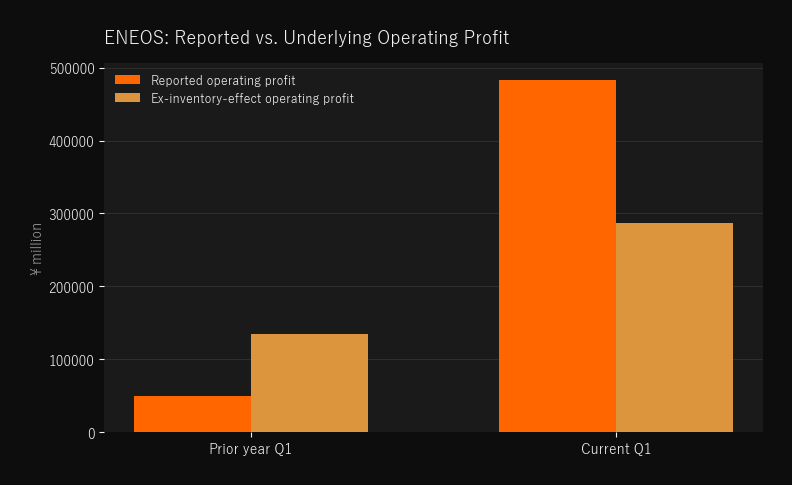 Figure 2: What the headline says versus what the company’s own ex-inventory figure says
The tell: guidance barely moved
Management left full-year guidance unchanged at this filing — revenue ¥12,850 billion, operating profit ¥610.0 billion, net profit ¥415.0 billion. Notably, Q1 alone already delivered essentially all of the ¥415.0 billion full-year net profit target and 79% of the operating profit target. If the company genuinely believed this pace was the new normal, holding guidance flat after a quarter like this would look absurdly conservative. It’s the more plausible read that management doesn’t expect the inventory tailwind to repeat: the company’s own full-year ex-inventory operating profit guidance is +24.4%, a fraction of what Q1’s reported number implies annualized.
The more durable story is playing out elsewhere
The same week as this earnings report, ENEOS made two moves that say more about where the company is actually headed than the quarter’s crude-price noise does.
Buying into US materials, with an unresolved question mark. ENEOS agreed to acquire TPC Holdings, a Houston-based leader in North American C4 chemicals (butadiene, raffinate, 1-butene, polybutene), expected to close in October. The stated logic is real: ENEOS runs a global elastomer business built on butadiene as a key input, and owning TPC would push the group’s butadiene production capacity into the world’s top three, securing feedstock and capturing margin currently paid to an outside supplier. But TPC’s own disclosed financials show revenue declining from $1.68 billion (2024) to $1.51 billion (2025) and profitability collapsing to a $34 million net loss last year, and the seller group (Redwood Capital, Monarch Alternative Capital, PGIM) reads like a distressed-asset consortium rather than strategic industrial owners. ENEOS frames this as an opportunity to apply its own “long track record of stable, safe operations” to an underperforming asset — a real thesis, but an unquantified one; the filing explicitly states the earnings impact is “still under review.” The purchase price itself wasn’t disclosed.
Selling down a semiconductor-materials stake while a smaller in-house one grows. ENEOS also tendered its JX Metals shares into that company’s buyback, a transaction expected to book a roughly ¥83.3 billion gain in Q2. JX Metals is a much larger, more direct player in semiconductor materials (sputtering targets and related electronic materials) than anything ENEOS runs internally. Meanwhile, ENEOS’s own small metals business — tucked inside its catch-all “Other” segment alongside construction and real estate — got an explicit mention this quarter for riding the same AI-driven demand wave in semiconductor and telecom materials. The company is simultaneously cashing out of the bigger, dedicated play and continuing a much smaller adjacent one — a detail worth knowing if you’re trying to read ENEOS as an AI/semiconductor-materials story, because it mostly isn’t.
What to watch
- Inventory-effect reversal risk. The same accounting mechanic that inflated this quarter’s profit can just as easily produce a headline-looking loss if crude prices move the other way next quarter — read every future quarter’s operating profit number against the ex-inventory figure, not the headline.
- TPC integration and any guidance revision. The deal closes around October; watch for whether ENEOS quantifies the earnings impact once it does, and whether a loss-making acquisition drags near-term functional materials segment profit before any turnaround shows up.
- Whether full-year guidance eventually moves. Given how conservative the current guidance looks relative to Q1’s underlying (not headline) trajectory, a later revision is plausible if petrochemical margins hold — worth watching for signs management is more confident than the maintained guidance suggests.
Source: Q1 earnings filing (TDnet) | TPC Holdings acquisition announcement (TDnet) | IR | 日本語版
Disclaimer | This article is for informational purposes only and does not constitute investment advice.