params: ticker: “TSE:4666” reviewed: “edit” image: “/images/analysis/park24-headline-net-profit/thumb.png”
Park24 (4666), operator of the Times Parking network and Times Car car-sharing service, reported Q3 (nine months to July) net profit of ¥36.4 billion, up 265.1% year-on-year. Read in isolation, that headline suggests a business that just found a new gear. It didn’t. Operating profit rose a solid but far less dramatic 16.2%, and ordinary profit 20.0% — the real gap between those numbers and the 265% net profit figure is almost entirely a one-time accounting effect from restructuring overseas, not anything happening in the core parking or mobility business.
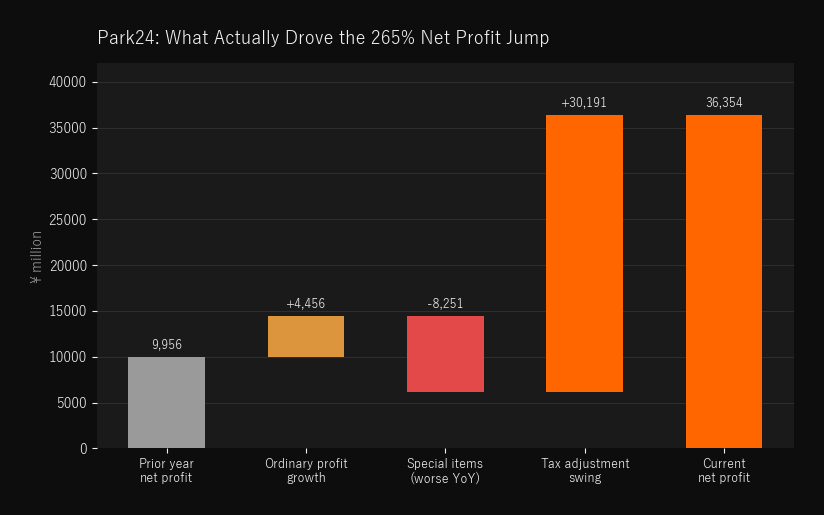 Figure 1: What actually drove the 265% net profit jump
Where the 265% actually comes from
During the second quarter, Park24 restructured its UK operations and sold its Singapore business, deconsolidating two subsidiaries (MEIF II CP Holdings 2 Limited and TIMES24 SINGAPORE PTE. LTD.). That triggered a ¥12.65 billion special loss — normal-looking corporate teardown costs. But it also triggered a ¥31.87 billion tax benefit, booked as a deferred tax adjustment gain tied to the UK reorganization. Net these against each other and the special-items line swings net profit up by roughly ¥19 billion beyond what operating performance alone would explain. That’s the entire story behind “+265%.” It’s a real cash-and-accounting event, not a fabrication — but it’s a one-time structural cleanup, not operating momentum, and it won’t repeat next quarter.
The company itself seems to agree: full-year guidance was left unchanged in this filing, despite a Q3 this far ahead of trend on the bottom line. When a company doesn’t revise guidance up after a quarter with a 265% net profit headline, that’s management quietly telling you not to extrapolate it.
The two segments actually worth watching
Strip out the one-off and Park24’s real story is a domestic “select and concentrate” pattern — trimming an underperforming overseas footprint while doubling down on the two segments that work.
Domestic parking (revenue ¥160.7 billion, +9.1%; segment profit ¥28.5 billion, +3.4%) is the steady core: Times Parking network density rose, and the shift to cashless-only new locations plus AI camera-based entry/exit systems continues chipping away at operating cost per site.
Mobility (Times Car) (revenue ¥103.3 billion, +12.3%; segment profit ¥10.4 billion, +14.3%) shows a demand-supply mismatch worth flagging: dedicated vehicles grew 9.2% to 69,733 while membership grew faster, 12.2% to 4.057 million. Members per vehicle are improving — that’s the metric management wants moving — but the company explicitly noted that per-vehicle usage revenue came in below plan. Translation: more people signing up isn’t automatically converting into proportionally more revenue per car on the road yet.
Overseas parking (revenue ¥45.2 billion, -26.8% — mostly the deconsolidation effect above) actually swung from a ¥1.77 billion segment loss to a ¥400 million profit. The UK business specifically pivoted away from large, long-lease parking assets toward the smaller, short-lease “Times Parking”-style model already proven domestically. Shrinking the overseas footprint and making what remains profitable is a defensible trade, even if it makes the revenue line look worse.
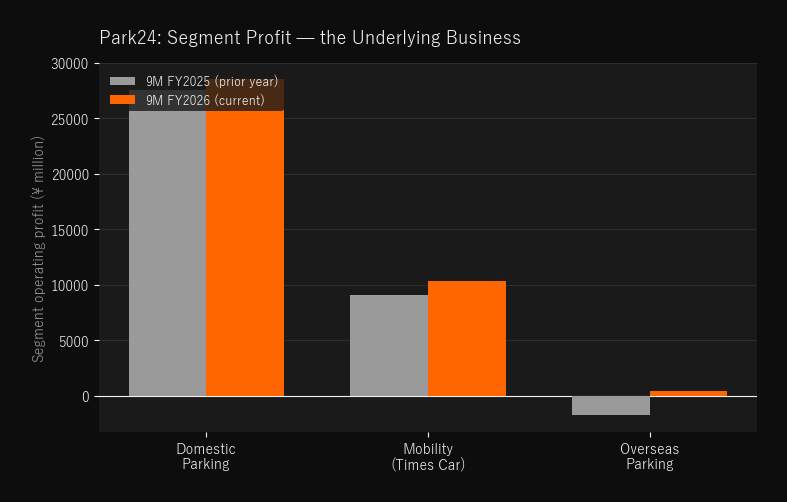 Figure 2: Segment profit — the underlying business, before the one-off items
What to watch
- Q4 and next fiscal year’s guidance. If the ¥31.87 billion tax gain is truly one-off, next year’s net profit comparison will look ugly by contrast — worth checking whether that gets flagged clearly when it happens.
- Times Car’s per-vehicle economics. Member growth outpacing per-vehicle revenue is fine short-term (network effects take time to monetize) but is the metric to watch for whether the mobility segment’s profit growth is sustainable past this quarter.
- Whether the UK/Singapore cleanup is actually finished. One restructuring quarter with a tax gain windfall doesn’t guarantee no further one-off items from the remaining overseas footprint.
Source: Q3 earnings filing (TDnet) | IR | 日本語版
Disclaimer | This article is for informational purposes only and does not constitute investment advice.